
After more than a decade repairing windshields across Halton, I’ve developed a particular respect for the way winter transforms the highways here. The stretch from Oakville through Milton can feel calm one moment and punishing the next, especially once the plows and sanders begin their routine, repair windshield crack Oakville Every season, I watch the same pattern unfold: the first deep freeze hits, the trucks lay down grit, and within days I’m patching stone chips from drivers who barely saw the impact happen.
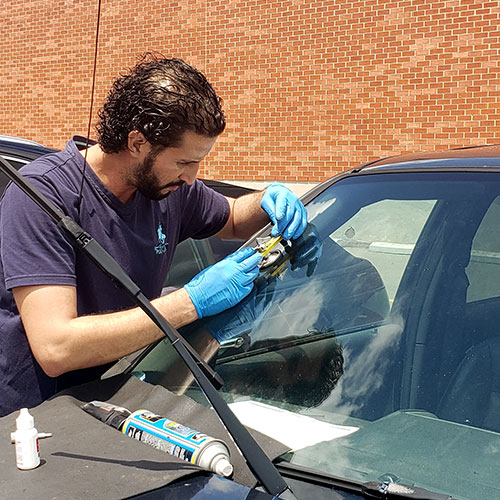 One memory that still comes back to me involved a commuter who pulled into my shop in Burlington one icy morning. She’d been driving along the 401 when a transport ahead of her kicked up a pebble. She heard the crack but barely registered it until the heater warmed her windshield and the tiny chip split into a spider web across half the glass. I remember her saying it felt like her car betrayed her overnight. That wasn’t the car’s fault, of course—it was the combination of cold stress, quick temperature changes, and Halton’s winter road debris. I’ve seen even smaller chips than hers turn into full fractures after a single frosty night.
Winter damage behaves differently, and that’s something many drivers don’t realize until they’ve experienced it the hard way. A chip in July might stay the size of a fingernail for weeks. A chip in January, especially after a highway run, can grow while you’re parked in the driveway. I once had a Milton resident show up with a chip barely larger than a pinhead. He told me he almost didn’t bother coming in. As we talked, he mentioned how he usually blasted the defrost on high as soon as he got in the car. I explained that the sudden temperature jump can shock the glass, especially where there’s even a tiny weak point. He nodded politely—but before he could leave, the chip grew an inch right there in the cold bay. His face told the story well enough.
Salt trucks add their own chaos. People often assume it’s the salt itself causing damage, but most of the chips I see come from the gravel mixed in for traction. Those stones get lodged between tire treads and release at highway speeds. I’ve followed plows on regional roads during early-morning service calls, and the sound of grit hitting the wheel wells feels like hail. You learn quickly to hang back. On the job, I’ve heard countless drivers admit they followed too closely on the 407 because the roads “looked clear.” Winters here teach you that clear pavement doesn’t mean a clean surface.
I’ve also seen how a small decision—repairing early or ignoring the chip—can carry consequences. One driver from Oakville came in frustrated because the dealership told him his windshield needed replacing. He swore the chip had been tiny for weeks. When I asked him how he handled morning defrosting, he said he usually poured warm water on the glass to speed things up. I didn’t need to say much after that. There’s a moment every winter where I catch myself sounding more like a neighbour than a technician, reminding people that winter glass behaves like stressed material under tension. It only tolerates so much.
My years in Halton have taught me that stone chips aren’t a cosmetic nuisance; they’re the first warning that winter has begun its work on your vehicle. Drivers here face a unique mix of fast-moving highways, heavy transport traffic, and constant freeze-thaw cycles. Those conditions produce more chips than most areas I’ve worked in. And while repairing them is part of my job, preventing them from becoming larger problems is where I feel most useful.
Every winter, I see the same truth play out in Oakville, Burlington, and Milton: the smallest mark on a windshield can tell you a lot about the road you’ve just travelled—and what might happen if you ignore it.